
Be here when it matters.
Begin with the person, not a queue of unfinished notes.
For the moments you became a clinician to be part of—not the evenings that should still be yours. CuraMind turns a conversation into a reviewable clinical note, so your attention stays with the person in front of you.

The old story of clinical software is about more features, more dashboards, more automation. This one begins with a simpler question: what if documenting care stopped competing with the act of giving it?

A good clinical assistant doesn't replace judgment. It listens, structures the visit and gives the clinician a draft to review, edit and approve—so the professional remains in control.
Explore the encounterClinician: “How have your home blood-pressure readings been since the last appointment?”
Patient: “Mostly better. I've been walking three evenings a week and taking my medication as we discussed.”
Clinician: “Let's review what you've recorded and agree on the next steps.”
Same care, a different kind of day. Imagine notes prepared for your review while the encounter is still fresh—and more attention for what matters next.
Begin with the person, not a queue of unfinished notes.
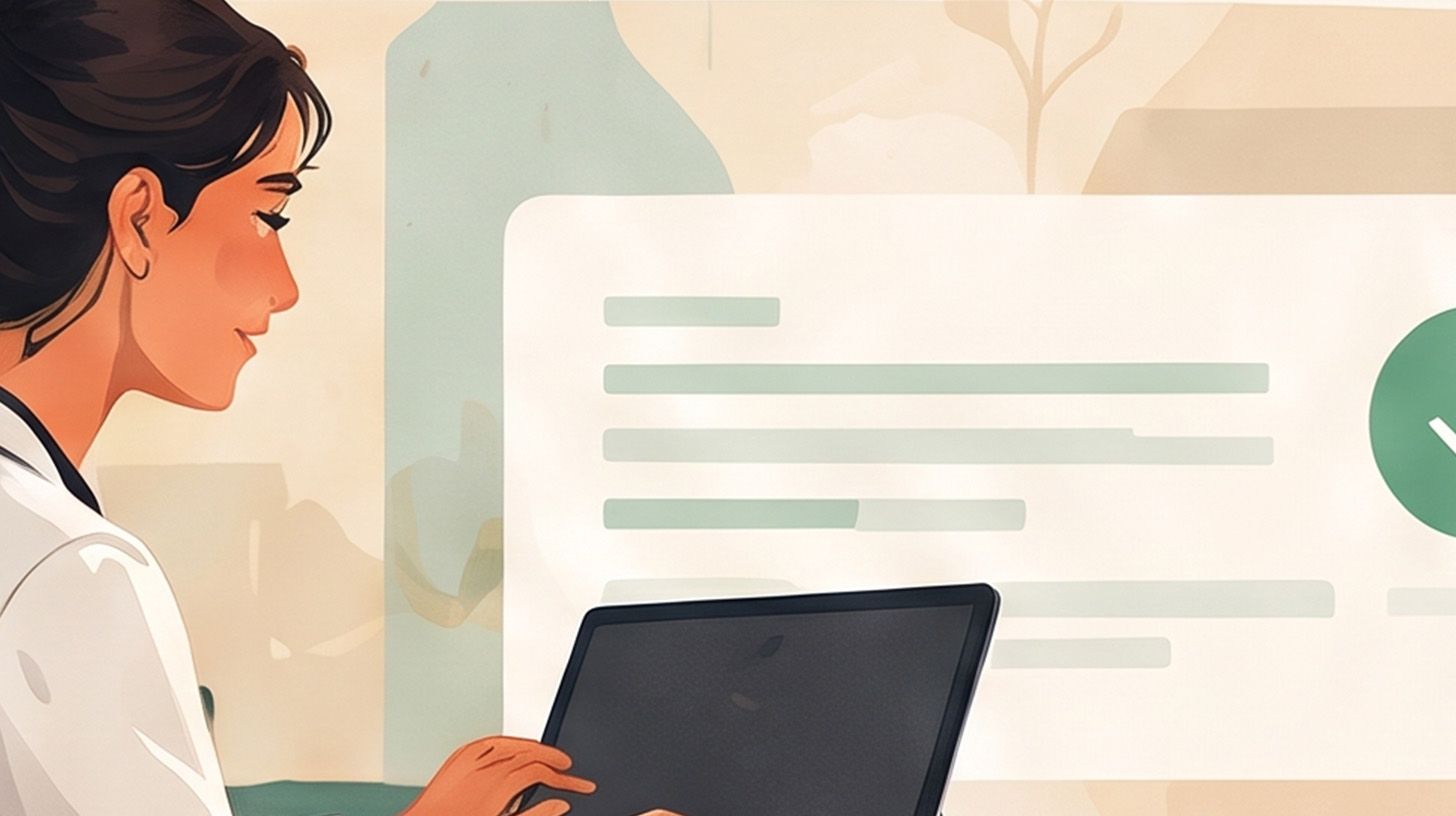
Review a structured draft, edit its contents, and approve only when ready.

The emotional promise: more room in the evening for what matters to you.
Healthcare branding earns trust through precision and restraint. These are the principles informing a fictional concept—not unverified regulatory or product claims.
Explore a sample pilotReview, edit, and approve any note before it could become part of a patient record.
Readable, structured notes should make the encounter easier to understand—not harder to question.
Real products require verified privacy and security safeguards. Fictional case-study claims are not certifications.
This isn't a pretend sign-up for a real medical company. It's a small working exercise: choose a clinical setting and a focus, then create an illustrative pilot outline you can review or copy.